<?xml version="1.0" encoding="utf-8"?><feed xmlns="http://www.w3.org/2005/Atom" xml:lang="en"><generator uri="https://jekyllrb.com/" version="3.10.0">Jekyll</generator><link href="https://sc103121.github.io/feed.xml" rel="self" type="application/atom+xml" /><link href="https://sc103121.github.io/" rel="alternate" type="text/html" hreflang="en" /><updated>2026-06-28T02:31:16+00:00</updated><id>https://sc103121.github.io/feed.xml</id><title type="html">Shawn Chen</title><subtitle>Personal site of Shawn Chen</subtitle><author><name>{&quot;bio&quot;=&gt;&quot;Do, and you will know.&quot;, &quot;location&quot;=&gt;&quot;Earth&quot;, &quot;links&quot;=&gt;[{&quot;label&quot;=&gt;&quot;GitHub&quot;, &quot;icon&quot;=&gt;&quot;fab fa-fw fa-github&quot;, &quot;url&quot;=&gt;&quot;https://github.com/sc103121&quot;}, {&quot;label&quot;=&gt;&quot;Email&quot;, &quot;icon&quot;=&gt;&quot;fas fa-fw fa-envelope&quot;, &quot;url&quot;=&gt;&quot;mailto:himselfpolaris@gmail.com&quot;}]}</name></author><entry xml:lang="en"><title type="html">The Great Sage, Who Walked the Road West</title><link href="https://sc103121.github.io/en/wukong/" rel="alternate" type="text/html" title="The Great Sage, Who Walked the Road West" /><published>2026-06-27T00:00:00+00:00</published><updated>2026-06-27T00:00:00+00:00</updated><id>https://sc103121.github.io/en/wukong-en</id><content type="html" xml:base="https://sc103121.github.io/en/wukong/"><![CDATA[<h1 id="the-same-great-sage-in-two-versions-of-celestial-symphony">The Same Great Sage in Two Versions of <em>Celestial Symphony</em></h1>

<p>Recently, I relistened to two versions of <em>Celestial Symphony</em>.</p>

<p>The original version is the iconic theme from the 1986 television adaptation of <em>Journey to the West</em>. Listening to this makes me want to be a god in the celestial palace.</p>

<div class="video-embed">
  <iframe src="https://www.youtube.com/embed/biTzhToldz4" title="Celestial Symphony — 1986 Journey to the West (original)" loading="lazy" allow="accelerometer; autoplay; clipboard-write; encrypted-media; gyroscope; picture-in-picture" allowfullscreen=""></iframe>
</div>

<p>The new version appears in the ending of <em>Black Myth: Wukong</em>. Listening to this makes me want to fight the gods and rise up against the celestial palace.</p>

<div class="video-embed">
  <iframe src="https://www.youtube.com/embed/2nGWcR4SY3E" title="Celestial Symphony — Black Myth: Wukong (new)" loading="lazy" allow="accelerometer; autoplay; clipboard-write; encrypted-media; gyroscope; picture-in-picture" allowfullscreen=""></iframe>
</div>

<p>When I first listened to them side by side, I was struck by how different they sounded. The 1986 version is light, playful, and free-spirited, while the <em>Black Myth</em> arrangement is solemn, weighty, and filled with power. One feels like a child soaring freely between heaven and earth; the other sounds like a battle horn echoing across a battlefield — resolute, thunderous, and majestic. One makes me want to be a god; the other makes me want to fight the gods.</p>

<p>Yet the more I listened, the more I realized that they are telling the same story.</p>

<h2 id="the-original--fearless-before-heaven-and-earth">The Original — Fearless Before Heaven and Earth</h2>

<p>Many people regard the 1986 <em>Journey to the West</em> as a treasured childhood memory, and I certainly feel the same way. But what moves me most about <em>Celestial Symphony</em> is not nostalgia. It is the spirit that the music embodies.</p>

<p>The original theme does not portray the all-powerful ‘Great Sage Equal to Heaven’ that we later come to know. Instead, it captures a young monkey who has just leapt out of Mount Huaguo. He is curious about the world, longs for freedom, believes in justice, and instinctively feels that the world ought to be better than it is.</p>

<p>That is why he dares to wreak havoc in Heaven, challenge authority, and say “no” to anything he finds unreasonable. He fears neither Heaven nor Earth. There is something deeply youthful about him — the fearless confidence of someone who has not yet learned to be afraid.</p>

<h2 id="the-new-version--suffering-and-transformation">The New Version — Suffering and Transformation</h2>

<p>The Wukong portrayed in <em>Black Myth</em> has undergone a profound transformation.</p>

<p>He has experienced oppression, loss, and hardship. He has walked the long and lonely journey to the West. He has seen through the hypocrisy of gods and Buddhas, rebelled once more, and failed once more. He has learned that reality is far more complicated than he once imagined, that resistance comes at a cost, and that the world rarely unfolds according to one’s ideals.</p>

<p>In this sense, <em>Black Myth: Wukong</em> no longer depicts the carefree spirit and youthful exuberance of earlier days. Instead, it presents the determination of an adult — weathered by suffering, yet still resolute and unyielding.</p>

<h2 id="what-changed-and-what-did-not">What Changed, and What Did Not?</h2>

<p>On the surface, these seem like two entirely different Wukongs. One is innocent, the other mature; one is light, the other heavy; one has only just begun his journey, while the other has already traveled a long and difficult journey.</p>

<p>But upon closer reflection, I do not think they are truly different.</p>

<p>Both long for freedom. Both believe in justice and fairness. Both believe that the world can and should be better. And both are willing to pay the price for those beliefs.</p>

<p>When we are young, we tend to see the world as beautiful as Mount Huaguo. As we grow older, we discover that life is not always so kind. We experience loss, regret, confusion, and struggle. We come to understand the complexity of reality and the unpredictability of fate. Growing up often feels like watching one illusion after another shatter.</p>

<p>But true growth is not about forgetting who we once were, nor is it about becoming numb. True growth means recognizing the world’s complexity while becoming even more determined to cherish and believe in goodness. It means seeing deception and corruption, yet still choosing, without hesitation, to walk the path one believes is right.</p>

<blockquote>
  <p>From this perspective, the Great Sage in <em>Black Myth: Wukong</em> is not a different Great Sage. He has simply finished his Journey to the West.</p>
</blockquote>

<p>That little monkey who once gazed up at the sky never disappeared. He endured storms and hardships, but he never forgot why he set out in the first place, nor why he first raised the <em>Jingu Bang</em>. And rather than stopping, he chose to raise it once again.</p>

<p>When I listen to these two versions of <em>Celestial Symphony</em> together, I do not hear two different Wukongs. I hear the same Wukong at different stages of life.</p>

<p>Perhaps that is why both versions move me so deeply. No matter how times change, we continue to be drawn to the same ideals: the longing for a better world, the commitment to justice and fairness, and the courage to refuse to bow before darkness.</p>

<p>As a child, I admired Sun Wukong because he was powerful. Looking back now, I realize that what truly matters is not his Seventy-Two Transformations, his <em>Jingu Bang</em>, or any of his magical powers. What makes him remarkable is his unwavering pursuit of freedom and his refusal to accept injustice.</p>

<p>He changed in many ways.</p>

<p>And yet, he never changed at all.</p>

<p>Neither did I.</p>]]></content><author><name>{&quot;bio&quot;=&gt;&quot;Do, and you will know.&quot;, &quot;location&quot;=&gt;&quot;Earth&quot;, &quot;links&quot;=&gt;[{&quot;label&quot;=&gt;&quot;GitHub&quot;, &quot;icon&quot;=&gt;&quot;fab fa-fw fa-github&quot;, &quot;url&quot;=&gt;&quot;https://github.com/sc103121&quot;}, {&quot;label&quot;=&gt;&quot;Email&quot;, &quot;icon&quot;=&gt;&quot;fas fa-fw fa-envelope&quot;, &quot;url&quot;=&gt;&quot;mailto:himselfpolaris@gmail.com&quot;}]}</name></author><category term="essay" /><summary type="html"><![CDATA[The Same Great Sage in Two Versions of Celestial Symphony]]></summary></entry><entry xml:lang="zh"><title type="html">大圣，他走完了西行路</title><link href="https://sc103121.github.io/zh/wukong/" rel="alternate" type="text/html" title="大圣，他走完了西行路" /><published>2026-06-27T00:00:00+00:00</published><updated>2026-06-27T00:00:00+00:00</updated><id>https://sc103121.github.io/zh/wukong-zh</id><content type="html" xml:base="https://sc103121.github.io/zh/wukong/"><![CDATA[<h1 id="两版云宫迅音同一个齐天大圣">两版《云宫迅音》，同一个齐天大圣</h1>

<p>最近重听了两版《云宫迅音》。</p>

<p><strong>原版是1986年《西游记》主题曲。听了这首，我就想去当神仙:</strong></p>

<div class="video-embed">
  <iframe src="https://www.youtube.com/embed/biTzhToldz4" title="1986《西游记》云宫迅音（原版）" loading="lazy" allow="accelerometer; autoplay; clipboard-write; encrypted-media; gyroscope; picture-in-picture" allowfullscreen=""></iframe>
</div>

<p><strong>新版来自《黑神话：悟空》的结局。听了这首，我就想去揍神仙:</strong></p>

<div class="video-embed">
  <iframe src="https://www.youtube.com/embed/2nGWcR4SY3E" title="《黑神话：悟空》云宫迅音（新版）" loading="lazy" allow="accelerometer; autoplay; clipboard-write; encrypted-media; gyroscope; picture-in-picture" allowfullscreen=""></iframe>
</div>

<p>刚开始听的时候，我发现它们曲调与风格完全相反。86版轻快、灵动、自由，《黑神话》版则厚重、肃穆，充满力量感。一个像是孩童在天地间自由自在地翱翔，另一个则像是军中吹响了战斗的号角，铿锵有力，气势磅礴。</p>

<p>但细听，我觉得两者讲的其实是同一个故事。</p>

<h2 id="原版--天不怕地不怕">原版 —— 天不怕地不怕</h2>

<p>很多人会把86版《西游记》看作一代人的童年回忆。我也有同样的感受。但《云宫迅音》最打动我的地方，并不只是怀旧，而是它塑造了一种非常鲜明的精神气质———它塑造的并不是后来那个无所不能的齐天大圣，而是一只刚刚跳出花果山的小猴子。他对世界充满好奇，向往自由，相信公道，也相信这个世界本来就该是更好的。所以他会大闹天宫，会挑战权威，会对一切不合理的事情说“不”。天不怕地不怕，颇有种初生牛犊不怕虎之感。</p>

<h2 id="新版--苦难与蜕变">新版 —— 苦难与蜕变</h2>

<p>而《黑神话》里的悟空则经历了刻骨铭心的蜕变。</p>

<p>他经历过压迫、失去和磨难，也走过了漫长而孤独的西行路。他看穿了神佛的虚伪，再一次反抗却又一次失败。他看到了现实没有那么简单，知道反抗需要付出代价，也知道很多事情并不会按照理想中的方式发展。从这个意义上说，《黑神话》塑造的已经不是那少年人的意气风发、无拘无束的心性，而是一种成年人沧桑悲壮，但刚毅果敢的决心。</p>

<h2 id="什么变了什么没变">什么变了，什么没变？</h2>

<p>表面上看，这是两个完全不同的悟空。一个天真，一个成熟；一个轻盈，一个厚重；一个刚刚出发，一个已经走过漫长旅程。但仔细想想，他们的内在其实从来没有变过。</p>

<p>他们都向往自由，都坚持正义与公道，都相信这个世界应该有更好的样子，也都愿意为了这些东西付出代价。</p>

<p>小时候，我们总觉得世界像花果山一样美好。后来才发现，人生并不总是如此。我们会经历失去、遗憾、迷茫和挣扎，也会见识到现实的复杂与命运的无常。成长似乎总是在不断打碎一些东西。但真正的成长，从来不是忘记初心，更不是变得麻木，而是认识到世界的复杂之后，更加珍惜与相信美好；是见过歪门邪道之后，仍义无反顾地追寻心中的正道。</p>

<blockquote>
  <p>从这个角度看，《黑神话》里的大圣并不是另一个大圣。他只是走完了西行路。</p>
</blockquote>

<p>那只曾经仰望天空的小猴子并没有消失。他经历了风雨，也经历了磨难，但他没有忘记自己为何出发，为何举起金箍棒。他不但没有停下脚步，而是又一次举起金箍棒。</p>

<p>所以当我把两版《云宫迅音》放在一起听的时候，我听到的并不是两个不同的悟空，而是同一个悟空在人生不同阶段的模样。</p>

<p>这或许也是为什么这两首《云宫迅音》能够如此打动我。因为无论时代如何变化，我们始终会被同一种精神吸引：对理想世界的向往，对公平正义的坚持，以及面对黑暗时不愿低头的勇气。我小时候崇拜孙悟空，是因为觉得他厉害。长大以后再看，才发现真正可贵的的并不是七十二变，也不是金箍棒和种种法术，而是他身上那种矢志不渝地追求自由、反抗不公的精神。</p>

<p>他变了很多，却也什么都没有变。</p>

<p>我也是。</p>]]></content><author><name>{&quot;bio&quot;=&gt;&quot;去做，方知晓。&quot;, &quot;location&quot;=&gt;&quot;地球&quot;, &quot;links&quot;=&gt;[{&quot;label&quot;=&gt;&quot;GitHub&quot;, &quot;icon&quot;=&gt;&quot;fab fa-fw fa-github&quot;, &quot;url&quot;=&gt;&quot;https://github.com/sc103121&quot;}, {&quot;label&quot;=&gt;&quot;邮箱&quot;, &quot;icon&quot;=&gt;&quot;fas fa-fw fa-envelope&quot;, &quot;url&quot;=&gt;&quot;mailto:himselfpolaris@gmail.com&quot;}]}</name></author><category term="随笔" /><summary type="html"><![CDATA[两版《云宫迅音》，同一个齐天大圣]]></summary></entry><entry xml:lang="en"><title type="html">On 《士兵突击》 (Soldiers Sortie)</title><link href="https://sc103121.github.io/en/soldiers-sortie/" rel="alternate" type="text/html" title="On 《士兵突击》 (Soldiers Sortie)" /><published>2026-06-11T00:00:00+00:00</published><updated>2026-06-11T00:00:00+00:00</updated><id>https://sc103121.github.io/en/soldiers-sortie-en</id><content type="html" xml:base="https://sc103121.github.io/en/soldiers-sortie/"><![CDATA[<!-- TODO (user supplies): English translation of the 《士兵突击》essay.
     The Chinese original is at /zh/soldiers-sortie/.
     Keep section headings parallel so the table of contents matches. -->

<p><em>English version coming soon.</em> For now, read the original Chinese essay:
<a href="/zh/soldiers-sortie/">中文版本</a>.</p>]]></content><author><name>{&quot;bio&quot;=&gt;&quot;Do, and you will know.&quot;, &quot;location&quot;=&gt;&quot;Earth&quot;, &quot;links&quot;=&gt;[{&quot;label&quot;=&gt;&quot;GitHub&quot;, &quot;icon&quot;=&gt;&quot;fab fa-fw fa-github&quot;, &quot;url&quot;=&gt;&quot;https://github.com/sc103121&quot;}, {&quot;label&quot;=&gt;&quot;Email&quot;, &quot;icon&quot;=&gt;&quot;fas fa-fw fa-envelope&quot;, &quot;url&quot;=&gt;&quot;mailto:himselfpolaris@gmail.com&quot;}]}</name></author><category term="essay" /><summary type="html"><![CDATA[]]></summary></entry><entry xml:lang="zh"><title type="html">《士兵突击》与我: 不被功利支配的人生</title><link href="https://sc103121.github.io/zh/soldiers-sortie/" rel="alternate" type="text/html" title="《士兵突击》与我: 不被功利支配的人生" /><published>2026-06-11T00:00:00+00:00</published><updated>2026-06-11T00:00:00+00:00</updated><id>https://sc103121.github.io/zh/soldiers-sortie-zh</id><content type="html" xml:base="https://sc103121.github.io/zh/soldiers-sortie/"><![CDATA[<p>《士兵突击》混剪 + BGM <em>Conquest of Paradise</em></p>

<div class="video-embed">
  <iframe src="https://player.bilibili.com/player.html?bvid=BV1me4y1b7eH&amp;autoplay=0&amp;high_quality=1&amp;danmaku=0" scrolling="no" frameborder="no" framespacing="0" allowfullscreen="true"></iframe>
</div>

<hr />

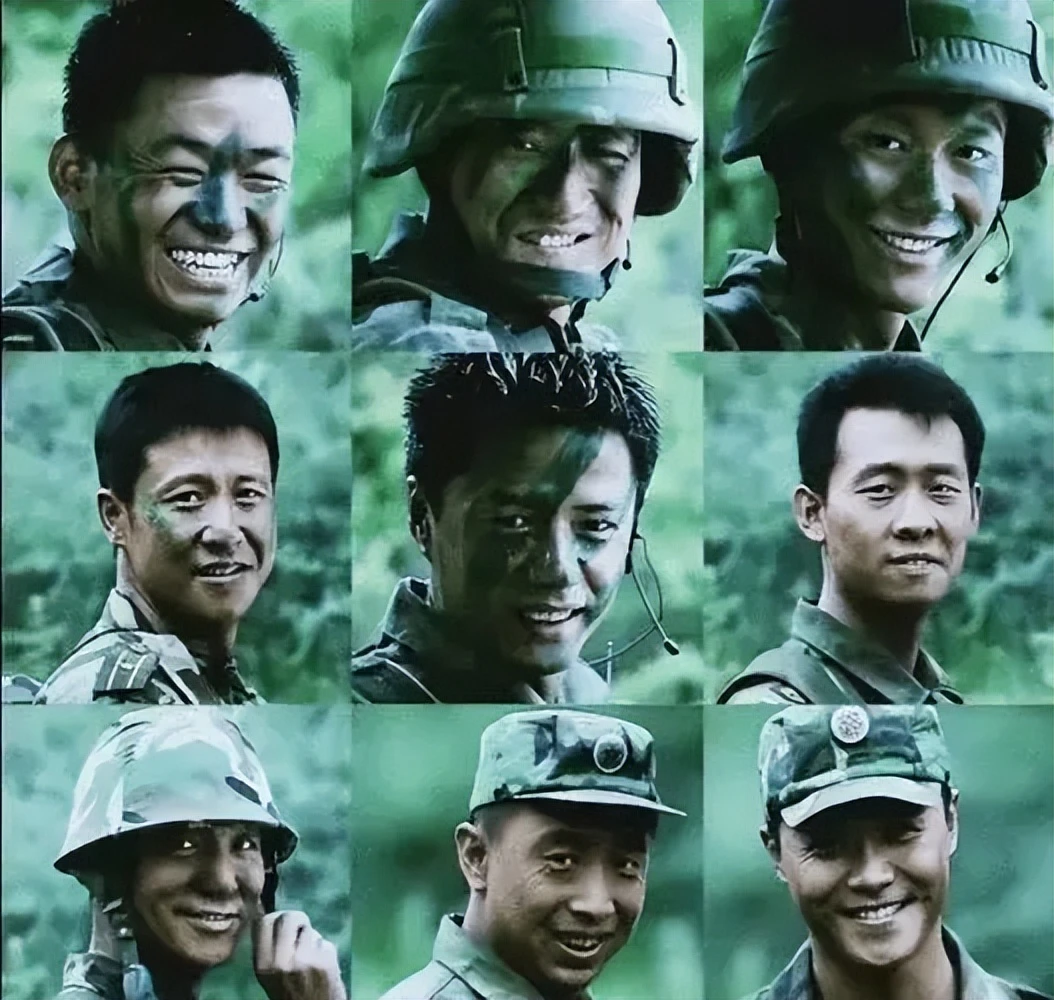
<p>我特别喜欢有思想、有深度、有情怀、有理想的中文电视剧。《士兵突击》是其中最贴近现代生活、也最贴近我内心的一部。它是一部难得的群像戏。里面的人物几乎没有一个是单薄的：他们有缺点，有棱角，有脾气。正因为如此，他们才显得那样鲜活、真实，让人由衷喜爱。</p>

<p><img src="/images/soldiers-sortie-group.png" alt="“群像照”" /></p>

<h2 id="我反感被功利支配">我反感被功利支配</h2>

<p>我从小便见过一种令人窒息的氛围。</p>

<p>在一些家庭、学校和同龄人的世界里，成绩、关系、比较、输赢，仿佛成了衡量一个人的唯一尺度。有人太早学会了攀比，太早学会了算计，也太早相信：只有比别人强，只有得到更多，才算是成功。</p>

<p>最让我难过的，并不是孩子有目标、想赢、想证明自己，而是他们还没来得及形成自己的价值判断，就已经被灌输了一种观念：只有得失最重要，只有胜过别人才能证明自己存在的价值。</p>

<p>我反感的不是努力，不是竞争，也不是追求成就。<strong>我反感的是，一个人被功利牵着走，把利益、回报和比较当成一切，最后连自己真正相信什么、想要成为什么、愿意为什么而活，都渐渐忘记了。</strong></p>

<h2 id="士兵突击给我的是另一种生活">《士兵突击》给我的，是另一种生活</h2>

<p>而《士兵突击》则恰恰向我展示了另一种价值观。</p>

<p><strong>真正值得向往的生活，不是没有目标，而是不让功利决定一切。</strong></p>

<p>剧中的人同样追求能力、荣誉、胜利和认可。他们训练、竞争、较劲，也会失败、委屈和不服气，但他们并不只是为了得到什么，才去做一件事。他们愿意把事情做好，愿意对战友负责，愿意守住自己的原则，愿意在无人看见的时候，依然不抛弃，不放弃。</p>

<p>我向往的，也不只是军营表面的热血与豪迈，而更是和一群彼此信任、彼此激励、共同承担的人一起生活；一起训练，一起演习，一起笑，一起熬过难关；在一件值得做的事情里，慢慢把自己磨练得更坚韧、更可靠、更有智慧与力量。人生中能有这样一群人同行，是极大的幸事。</p>

<h2 id="我所热爱的每一个角色">我所热爱的每一个角色</h2>

<p>许三多的坚毅，<br />
成才的精明，<br />
袁朗的洞悉人心，<br />
高城的傲娇，<br />
伍六一的刚强，<br />
史今的柔中带刚，<br />
吴哲的沉稳，<br />
齐桓的善解人意，<br />
甘小宁的克制，<br />
白铁军的诙谐，<br />
马小帅的稚气。</p>

<p>我爱里面的每一个角色。</p>

<p>他们并不是完人，但他们身上都有一种很难得的东西：纯粹。他们知道自己在为什么而活，也愿意为此付出。他们有血性，有原则，有情义，也有不肯被现实轻易磨平的理想。我总是能从他们每个人身上汲取力量，不断成为一个更坚定、更可靠，也更有力量的人。</p>

<h2 id="袁朗伍六一与许三多">袁朗、伍六一，与许三多</h2>

<p>在我心目中，段奕宏饰演的袁朗，是华语电视剧中最完美的男性角色之一。</p>

<blockquote>
  <p>“袁朗啊袁朗，你要做个恶的善良人。”</p>
</blockquote>

<p>这句话自始至终回荡在我耳边。袁朗最打动我的，是他的清醒。他极其善于洞察人心，也知道现实并不总是温柔；但他并没有因此放弃善意，反而选择磨练自己，以更有力量的方式去保护心中最珍贵的东西。</p>

<p>我最敬佩的是伍六一。他是一颗宁折不弯的穿甲弹，倔强、刚烈、骄傲。他的强硬并不只是为了逞强，而是因为他把尊严、情义和责任看得极重。</p>

<p>但真正最让我欣赏的，仍然是主角许三多。他不聪明，不圆滑，也不擅长表达。他甚至常常显得笨拙。可他有一种极其罕见的品质：始终如一地把有意义的事情做下去，不因为无人看见而停止，也不因为得不到回报就放弃，从不焦虑与寂寞。他的坚毅顽强令我动容。</p>

<blockquote>
  <p>“有很多人每天都在焦虑，怕没得到，怕寂寞。我喜欢不焦虑的兵。”</p>
</blockquote>

<p>哪怕是钢七连解散了，连长高城都一度陷入巨大的挫败之中，他都依然践行着那句 <strong>“不抛弃不放弃”</strong> 的誓言。</p>

<p>许三多提醒着我 —— 真正重要的不是等环境顺利、等有人认可、等一切条件都成熟之后再去坚持。而是无论处于什么境地，都不要放弃做自己认为正确、有意义的事。</p>

<h2 id="写给自己的祝愿">写给自己的祝愿</h2>

<p>祝愿我自己，像许三多一样，不因一时得失而改变本心；像钢七连的士兵一样，永远纯粹年轻。</p>

<p>愿我心中始终燃着理想的火焰，并让它越燃越旺。我不止是在心里相信，而是要将信念落实到具体的行动里，每天的选择里，身边的人和事里。</p>

<p>愿我有勇气，拥抱并践行我的理想。</p>

<p>愿我有决心，永远恪守正道。</p>

<p>愿我有缘分，遇见志同道合、心灵纯净、头脑冷静、内心火热的人。</p>

<p>机缘可遇不可求，如果缘分未到，就独行其道。</p>

<blockquote>
  <p>“信念这玩意，不是说出来的，而是做出来的。”</p>
</blockquote>]]></content><author><name>{&quot;bio&quot;=&gt;&quot;去做，方知晓。&quot;, &quot;location&quot;=&gt;&quot;地球&quot;, &quot;links&quot;=&gt;[{&quot;label&quot;=&gt;&quot;GitHub&quot;, &quot;icon&quot;=&gt;&quot;fab fa-fw fa-github&quot;, &quot;url&quot;=&gt;&quot;https://github.com/sc103121&quot;}, {&quot;label&quot;=&gt;&quot;邮箱&quot;, &quot;icon&quot;=&gt;&quot;fas fa-fw fa-envelope&quot;, &quot;url&quot;=&gt;&quot;mailto:himselfpolaris@gmail.com&quot;}]}</name></author><category term="随笔" /><summary type="html"><![CDATA[《士兵突击》混剪 + BGM Conquest of Paradise]]></summary></entry><entry xml:lang="zh"><title type="html">欢迎来到我的新网站</title><link href="https://sc103121.github.io/zh/welcome/" rel="alternate" type="text/html" title="欢迎来到我的新网站" /><published>2026-06-09T00:00:00+00:00</published><updated>2026-06-09T00:00:00+00:00</updated><id>https://sc103121.github.io/zh/welcome-zh</id><content type="html" xml:base="https://sc103121.github.io/zh/welcome/"><![CDATA[<p>这是我重建后的个人网站的第一篇文章。🎉</p>

<p>我拆掉了过去手写的 HTML 页面，改用 <a href="https://jekyllrb.com/">Jekyll</a> 和
<a href="https://github.com/mmistakes/minimal-mistakes">Minimal Mistakes</a> 主题重新搭建了整个网站，
如今每个页面都用纯 Markdown 写成。</p>

<p>为什么？因为写作本该是最轻松的部分。现在要发布一篇新文章，我只需往 <code class="language-plaintext highlighter-rouge">_posts/</code> 文件夹里
放一个 Markdown 文件——就像这一篇一样——它便会自动出现在这里。</p>

<p>后续还有更多内容。谢谢你的到访。</p>]]></content><author><name>{&quot;bio&quot;=&gt;&quot;去做，方知晓。&quot;, &quot;location&quot;=&gt;&quot;地球&quot;, &quot;links&quot;=&gt;[{&quot;label&quot;=&gt;&quot;GitHub&quot;, &quot;icon&quot;=&gt;&quot;fab fa-fw fa-github&quot;, &quot;url&quot;=&gt;&quot;https://github.com/sc103121&quot;}, {&quot;label&quot;=&gt;&quot;邮箱&quot;, &quot;icon&quot;=&gt;&quot;fas fa-fw fa-envelope&quot;, &quot;url&quot;=&gt;&quot;mailto:himselfpolaris@gmail.com&quot;}]}</name></author><category term="meta" /><category term="hello" /><summary type="html"><![CDATA[这是我重建后的个人网站的第一篇文章。🎉]]></summary></entry><entry xml:lang="en"><title type="html">Welcome to my new site</title><link href="https://sc103121.github.io/en/welcome/" rel="alternate" type="text/html" title="Welcome to my new site" /><published>2026-06-09T00:00:00+00:00</published><updated>2026-06-09T00:00:00+00:00</updated><id>https://sc103121.github.io/en/welcome</id><content type="html" xml:base="https://sc103121.github.io/en/welcome/"><![CDATA[<p>This is the first post on my rebuilt personal site. 🎉</p>

<p>I tore down the old hand-coded HTML page and rebuilt everything with
<a href="https://jekyllrb.com/">Jekyll</a> and the
<a href="https://github.com/mmistakes/minimal-mistakes">Minimal Mistakes</a> theme, so the whole
site is now written in plain Markdown.</p>

<p>Why? Because writing should be the easy part. To publish a new post now, I just drop a
Markdown file into the <code class="language-plaintext highlighter-rouge">_posts/</code> folder — like this one
(<code class="language-plaintext highlighter-rouge">_posts/2026-06-04-welcome.md</code>) — and it shows up here automatically.</p>

<p>More to come. Thanks for stopping by.</p>]]></content><author><name>{&quot;bio&quot;=&gt;&quot;Do, and you will know.&quot;, &quot;location&quot;=&gt;&quot;Earth&quot;, &quot;links&quot;=&gt;[{&quot;label&quot;=&gt;&quot;GitHub&quot;, &quot;icon&quot;=&gt;&quot;fab fa-fw fa-github&quot;, &quot;url&quot;=&gt;&quot;https://github.com/sc103121&quot;}, {&quot;label&quot;=&gt;&quot;Email&quot;, &quot;icon&quot;=&gt;&quot;fas fa-fw fa-envelope&quot;, &quot;url&quot;=&gt;&quot;mailto:himselfpolaris@gmail.com&quot;}]}</name></author><category term="meta" /><category term="hello" /><summary type="html"><![CDATA[This is the first post on my rebuilt personal site. 🎉]]></summary></entry></feed>